How to Pack a Carry-On for a Two-Week Trip
Packing for a two-week trip using only a carry-on bag requires a thoughtful approach to space, weight, and versatility. Travelers often find that limiting luggage to a single bag not only simplifies airport procedures but also reduces physical strain during transit. The key lies in selecting items that serve multiple purposes and employing methods that maximize every inch of available space. This guide explores practical strategies for organizing clothing, toiletries, and essentials without exceeding carry-on restrictions.
Minimalist packing does not imply sacrificing comfort or variety. Instead, it emphasizes intentional choices—selecting garments that coordinate easily, choosing travel-sized toiletries that comply with airline regulations, and using organizational tools that keep everything accessible. By focusing on what is truly necessary, travelers can move through airports, train stations, and hotels with greater ease. The following sections outline specific techniques and considerations for building a well-edited carry-on kit.
Selecting the Right Bag
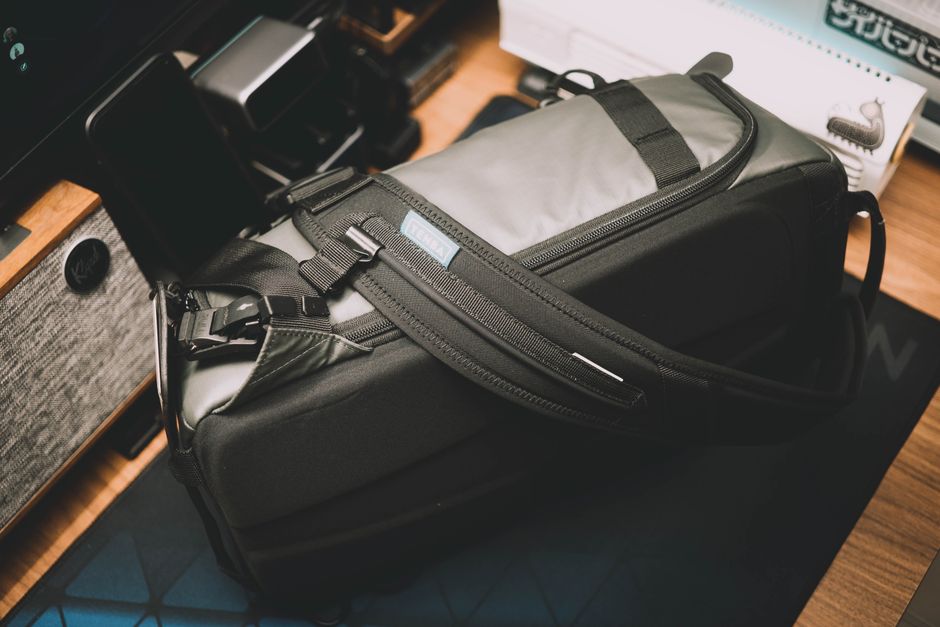
The foundation of any successful carry-on packing strategy is the bag itself. Airlines in the United States typically allow carry-on dimensions around 22 by 14 by 9 inches, though variations exist. Travelers should verify the specific limits of the airline they plan to use. A bag that is slightly smaller than the maximum size often provides more flexibility when boarding smaller aircraft. Soft-sided bags with expandable compartments can be useful, though expansion features should be used sparingly to avoid exceeding weight limits.
Weight is another factor to consider. Many airlines enforce a weight restriction for carry-on luggage, often around 15 to 22 pounds (7 to 10 kilograms). A lightweight bag leaves more room for the contents. Features such as multiple compartments, a padded laptop sleeve, and sturdy zippers contribute to usability and durability. Some travelers prefer backpacks for hands-free movement, while others choose rolling suitcases for ease of transit through long terminal corridors. Regardless of style, the bag should allow easy access to items that may be needed during the flight, such as a jacket or a book.
Wander Hacks recommends testing the bag before the trip by loading it with a trial set of items and carrying it for a short period. This practice helps identify potential discomfort or balance issues. A well-chosen bag simplifies the entire packing process and reduces the likelihood of needing to check luggage at the gate.
Planning a Versatile Wardrobe
Clothing selection is the most impactful element of carry-on packing for an extended trip. A typical approach involves choosing a limited number of tops, bottoms, and layers that can be mixed and matched to create multiple outfits. Neutral colors—such as black, gray, navy, and beige—tend to coordinate easily, while one or two accent pieces can add variety without taking up extra space. For two weeks, many travelers find that three to four tops, two to three bottoms, one layering piece, and one outer layer provide sufficient options.
Fabrics play an important role in comfort and practicality. Materials that dry quickly, resist wrinkles, and wick moisture are particularly suitable for travel. Merino wool, synthetic blends, and some treated cottons perform well across different climates. Layering allows adaptation to changing temperatures, such as wearing a long-sleeved shirt under a jacket in cooler weather or rolling up sleeves when warm. Travelers visiting destinations with varying conditions can benefit from a lightweight packable rain jacket that fits easily into a bag.
Footwear often occupies significant space in a carry-on. A common strategy is to wear the bulkiest pair of shoes while traveling and pack one additional pair, such as sandals or lightweight sneakers, for different activities. Shoes can be placed at the bottom of the bag or in shoe bags to prevent soiling other items. Socks and underwear made from moisture-wicking materials allow for hand washing and quick drying, which is practical for longer trips. With careful planning, a wardrobe of around ten to twelve items can cover a wide range of situations.
Managing Toiletries and Personal Care Items
The Transportation Security Administration (TSA) requires that liquids, gels, and aerosols in carry-on bags be in containers of 3.4 ounces (100 milliliters) or less, and all such containers must fit inside a single quart-sized clear plastic bag. Travelers should transfer their preferred products into travel-sized bottles or purchase pre-sized versions. Solid alternatives, such as shampoo bars, conditioner bars, and solid deodorants, can bypass liquid restrictions altogether and save space. Many travelers find that a single solid multipurpose bar works for both hair and body.
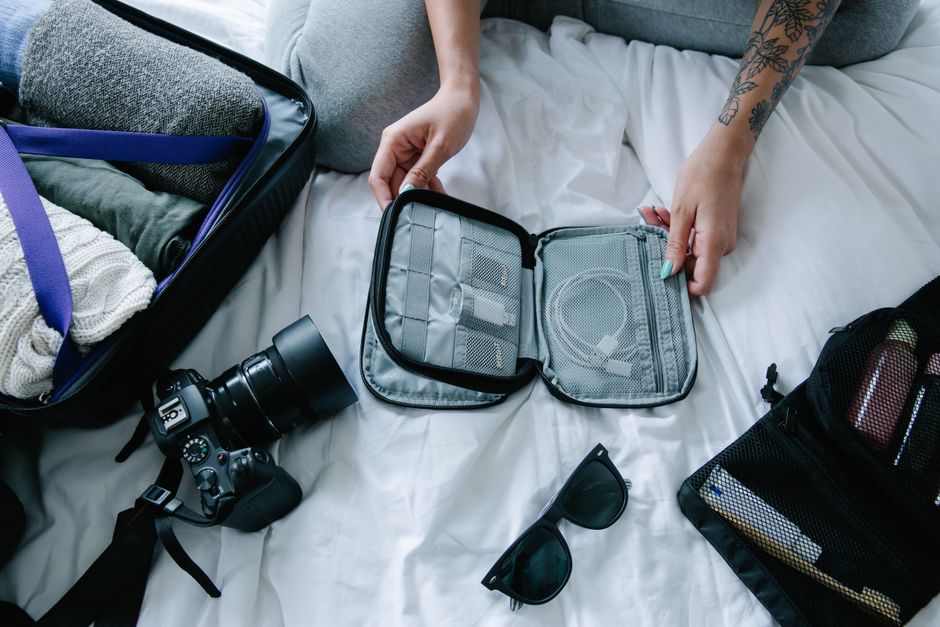
Toiletries for a two-week trip can be streamlined by focusing on essentials: toothpaste, toothbrush, deodorant, sunscreen, moisturizer, and any necessary medications. Makeup and grooming items can be minimized by selecting multi-use products—such as a tinted moisturizer with SPF or a lip and cheek stain. Razors, nail clippers, and small scissors should comply with TSA guidelines for sharp objects. A compact toiletry bag with hanging capability can help organize these items and keep them accessible in airport restrooms or hotel bathrooms.
Travelers who prefer to purchase toiletries at their destination to avoid luggage restrictions should research local stores ahead of time. However, relying on on-site availability may not be feasible for remote destinations or late arrivals. Preparing a well-edited toiletry kit before departure reduces uncertainty and streamlines the packing process.
Using Space-Saving Techniques
Efficient use of space can significantly increase the amount of clothing and accessories that fit into a carry-on. Rolling garments instead of folding them is a widely used method that reduces wrinkles and allows items to nestle into corners and gaps. Rolling works particularly well for t-shirts, casual pants, and dresses. For more structured items like blazers or dress shirts, folding with tissue paper or using a fold-and-roll combination can help maintain shape.
Packing cubes are another organizational tool that many travelers appreciate. These lightweight fabric containers keep different categories of items separate—such as tops in one cube, bottoms in another, and undergarments in a third—making it easier to locate specific pieces without unpacking the entire bag. Compression cubes or compression bags can further reduce the volume of bulky items like jackets or sweaters by removing excess air. Some versions rely on manual rolling to compress contents, while others use a one-way valve.
Empty spaces inside shoes can be filled with small items like socks, chargers, or jewelry cases. Similarly, gaps between cubes can accommodate rolled belts or scarves. A methodical approach to filling every available void helps maximize capacity without overstuffing the bag. Travelers may also consider wearing multiple layers onto the plane to free up space, such as wearing a jacket and a vest instead of packing both. These small adjustments collectively make a difference when every inch counts.
Organizing Electronics and Essential Documents
Electronics are often among the heaviest and most space-consuming items in a carry-on. For a two-week trip, a single laptop or tablet, a smartphone, and one pair of headphones may be sufficient. Travelers should evaluate whether each device truly adds value or if a smaller alternative can serve the same purpose. Chargers and cables can be consolidated by using a multi-port charger and short cables designed for travel. A small pouch or cable organizer keeps cords tangle-free and accessible when going through security.
Power banks are useful for keeping devices charged during long travel days, but their capacity must comply with airline regulations—usually up to 100 watt-hours (27,000 mAh). Travelers flying internationally may need a travel adapter that works with different outlet types. Universal adapters with multiple USB ports are a popular choice. Essential documents, such as a passport, boarding pass, and travel insurance details, should be stored in a secure yet easily reachable pocket. Digital copies saved on a phone or cloud service provide a backup in case of loss.
Minimizing electronics not only saves space but also reduces the cognitive load of keeping track of multiple gadgets. By selecting only what is truly needed for communication, entertainment, and work, travelers can travel more lightly and focus on the experience itself. With thoughtful preparation, carry-on luggage becomes a manageable and efficient tool for extended travel.