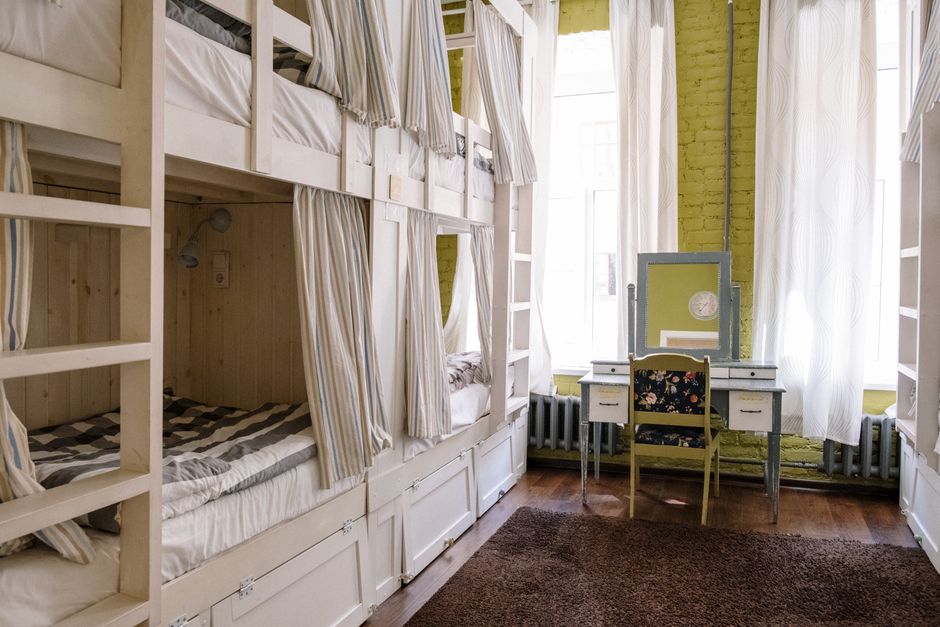
Finding Affordable Hostels in Central Europe
Traveling through Central Europe often involves navigating a range of accommodation options. For those focused on managing expenses, hostels provide a practical alternative to hotels, especially in cities like Prague, Budapest, and Vienna. These destinations have developed extensive hostel networks that cater to different traveler preferences, from social hubs to quiet retreats. Understanding the nuances of each city’s offering can help in making informed choices about where to stay.
Each city presents distinct characteristics that influence hostel selection. Prague is known for its compact historic center and efficient public transportation. Budapest offers a mix of lively districts and relaxing thermal baths. Vienna tends to have a more structured urban layout with slightly higher accommodation costs. Solo travelers, in particular, may find that location and amenities play a significant role in shaping their experience. This article explores approaches to identifying affordable hostels in these three cities, with attention to factors such as location, amenities, booking strategies, and overall value.
The process of choosing a hostel involves weighing multiple variables. Price is only one element; proximity to key attractions, the availability of social spaces, and the level of security also matter. By examining these aspects systematically, travelers can identify options that align with their priorities without overcommitting financially.
Location Considerations in Prague, Budapest, and Vienna
In Prague, hostels are concentrated around the Old Town and in neighborhoods like Vinohrady or Žižkov. Staying near the city center provides easy access to landmarks such as Charles Bridge and the Astronomical Clock, but prices tend to be higher. On the other hand, accommodations slightly outside the immediate tourist zone may offer lower rates while still being well-connected by trams and the metro. Solo travelers might find that a hostel in a residential area provides a quieter atmosphere after a day of sightseeing.
Budapest offers a wider range of price points across its districts. The central districts V, VI, and VII are popular for their proximity to nightlife and cultural sites like the Hungarian Parliament and the Great Market Hall. Hostels in these areas often have a vibrant social environment. However, districts further from the city center, such as Óbuda or the Buda side, may present more tranquil settings with lower nightly rates. The public transport system, including the metro and trams, makes it possible to stay in less central locations while still reaching major attractions efficiently.
Vienna’s hostel landscape differs somewhat from its counterparts. The city’s accommodation costs are generally higher, but hostels near the Hauptbahnhof or the inner city provide convenient access to museums and cafés. Some hostels are located in quieter residential neighborhoods, which can be appealing for travelers who prefer a more local experience. The efficiency of Vienna’s public transport can offset the distance, though longer travel times may need to be factored into daily planning. For solo travelers, a centrally located hostel might reduce the need for additional transit expenses.
Evaluating Hostel Amenities for Solo Travelers
Amenities can vary significantly between hostels in different cities. Common features include free Wi-Fi, breakfast, lockers, common rooms, and kitchen facilities. In Budapest, some hostels offer access to thermal baths or organize city tours. In Prague, hostels might emphasize social activities like pub crawls or walking tours. Vienna hostels often provide more business-oriented amenities, such as quiet workspaces or upgraded bedding. Each traveler’s priorities will determine which amenities are most relevant.
Security is a particular concern for solo travelers. Lockers for valuables, 24-hour reception, and secure door entry systems can add peace of mind. Some hostels offer female-only dormitories, which may appeal to those seeking an extra layer of comfort. While these features do not guarantee safety, they can contribute to a more relaxed stay. Reading recent reviews on independent platforms can provide insight into the actual condition and reliability of such amenities.
Social opportunities are another dimension of hostel amenities. Common rooms, rooftop terraces, or organized dinners can facilitate meeting other travelers. However, not all hostels prioritize social interaction. Some are designed more as budget accommodations where guests keep to themselves. Solo travelers who value community may prefer hostels with active social programming, while those seeking quiet might opt for smaller, more private settings.
Booking Strategies and Timing
The timing of a hostel reservation can influence both price and availability. Peak travel seasons in Central Europe, such as summer months and the Christmas market period, often see higher demand. Booking several weeks in advance may secure a bed in a desired hostel, while last-minute reservations could limit options. Conversely, traveling during shoulder seasons like late spring or early autumn may offer more flexibility and lower rates.
Multiple booking platforms exist for hostel reservations, including specialized sites like Hostelworld as well as general hotel booking engines. Prices can differ across platforms for the same property. Some hostels also offer discounts when booking directly through their own website, often because they avoid third-party commissions. Flexibly comparing options across a few sites can reveal price variations. Cancellation policies are another factor to consider. Solo travelers with uncertain itineraries may prefer refundable reservations, even if they carry a slightly higher upfront cost.
Monitoring price trends over time can indicate typical rate ranges for each city. For instance, a dorm bed in Budapest might start around €10 to €15 per night, while in Prague the range is often €15 to €25. Vienna tends to be higher, with dorm beds from €20 to €35. These figures fluctuate based on exchange rates, local events, and hostel policies. Being aware of general patterns helps in identifying whether a particular offer is within a reasonable range.
Comparing Price Ranges and Value
Price alone does not determine overall value. A hostel with a slightly higher nightly rate but that includes breakfast, free Wi-Fi, and a prime location may ultimately cost less in total than a cheaper hostel that requires extra spending on transportation and meals. Solo travelers, who often manage their own budgets, may find it useful to calculate the total expected cost of a stay, including additional expenses, rather than focusing solely on the dorm bed price.
In Budapest, lower accommodation costs can free up funds for other activities, but this depends on the hostel’s location relative to attractions. In Prague, the balance between price and quality is often favorable, though some hostels in the Old Town command premium rates. Vienna’s higher base prices mean that a hostel offering included breakfast or a kitchen can reduce daily spending. Reading reviews about cleanliness, noise levels, and staff responsiveness provides context for assessing whether a hostel delivers on its promises.
For solo travelers, the social atmosphere can also affect perceived value. A hostel that facilitates connections may enhance the travel experience without additional cost. However, this is subjective and varies by individual preference. Comparing a few hostels in each city based on a combination of factors—location, amenities, reviews, and total expected spend—can lead to a more informed decision.
Safety and Social Dynamics for Solo Travelers
Safety is a multifaceted consideration when choosing a hostel. Physical security features, such as well-lit entrances, secure locks, and staff presence at night, contribute to a more comfortable environment. Solo travelers may also check whether the hostel is situated in a well-trafficked area with access to public transport after dark. Reviews often mention safety concerns, so reading a range of recent comments can be helpful.
Social dynamics vary widely among hostels. Some are designed as social hubs with large common areas, organized events, and group activities. Others cater to a quieter clientele, with more emphasis on privacy and rest. Solo travelers who wish to meet others may prefer hostels that explicitly promote social interaction. Those who value solitude may choose smaller hostels or opt for a private room. The balance between social opportunities and personal comfort is a personal one, and researching the hostel’s atmosphere beforehand can reduce surprises.
Ultimately, the choice of hostel can influence the tone of a trip. By considering location, amenities, booking strategies, value, and social factors, solo travelers can approach their accommodation search with a clearer framework. No single approach guarantees an ideal experience, but a thoughtful evaluation of available options can increase the likelihood of a stay that aligns with individual preferences.